Be it a professional front or personal front; we
use many Software Applications (Web/Windows/Mobile) on a daily basis. Let's
look at the below mind map which encompasses some of the applications we use.
Certainly;
above mind map doesn’t include all the Software applications, but focusing on the
important ones. As a User we use these applications with
different roles or characters. Sometimes we use them with just to get the
things done or sometimes we use them while we are busy doing other tasks.
Sometimes we use them with a lot of interest, innovation and sometimes we just
try breaking them or hacking them.
What if we start getting into such roles or characters while testing the
Softwares? By the way; what is Persona?
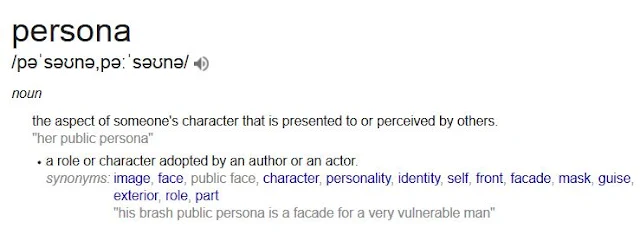 Let's look at some Personas which we can use
while testing the Softwares.
Let's look at some Personas which we can use
while testing the Softwares.
Regular/Normal,
Busy, Innovative, and Destructive
are the adjectives which signify the roles or characters of the Users.
Regular/Normal User –
A user who is
- Focused on his/her work, follows the standards and guidelines (of the
Software).
- Always interested in adopting the regular ways of using the Software
and getting the things done.
Busy User –
A user who is
- Always overloaded with the work, responsible for many things and
performing multiple activities at a time.
- Looking for the quick responses from the Software (because of the
tight schedule).
- Getting impatient at times (because of the circumstances).
Innovative User –
A user who is
- Interested in finding smarter workflows in the Software (to accomplish
regular needs).
- Interested in knowing new features and want to compare with the old
ones.
- Interested in using the Software from various conditions/configurations
(perhaps with different devices, operating systems, networks etc.).
Destructive User –
A user who is
- Having good technical knowledge.
- Interested in breaking/violating the workflows and finding the bugs in
the Software.
I
reckon; considering the different User Personas while testing the Software will
certainly help us to deliver the customer value.


 Let's look at some Personas which we can use
while testing the Softwares.
Let's look at some Personas which we can use
while testing the Softwares. 